


The name of new tropical cyclone “Kiyapo” has sparked interest online, after it entered the Philippine Area of Responsibility.
Science communication platform ScienceKonek explained that it originated from an aquatic plant once common in parts of Manila.
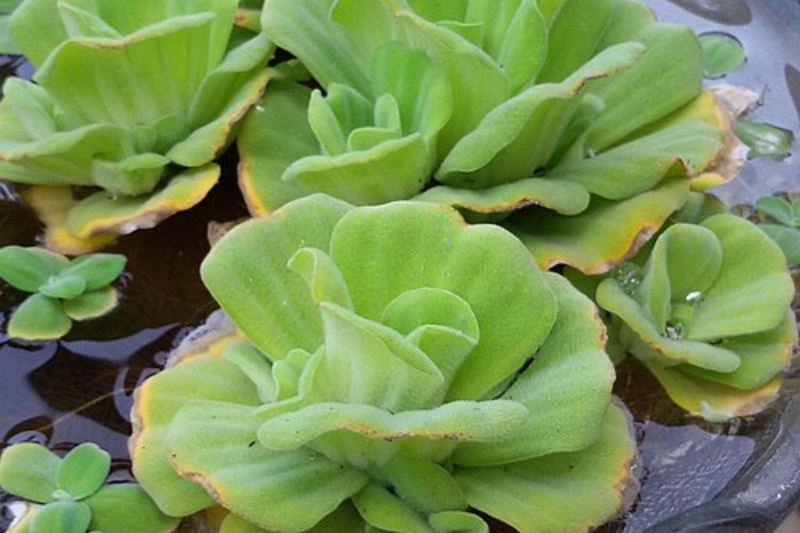
In a social media post on Thursday, July 23, ScienceKonek said “kiyapo” refers to Pistia stratiotes, a floating freshwater plant known in English as “water cabbage.”
Citing the Komisyon sa Wikang Filipino’s Diksiyonaryo ng Wikang Filipino, the group described the kiyapo as a plant that grows on the surface of the water, with broad, rounded or fan-shaped leaves and slender fruits containing a small number of seeds.
ScienceKonek also noted that the plant once grew abundantly in marshes and low-lying areas of Manila, where it floated in estuaries and swamps that previously occupied what is now the capital’s urban center.
According to the group, the name was later Hispanized to “Quiapo” during the Spanish colonial period. Over time, Quiapo became known not only as a major commercial district but also as a center of Catholic devotion, particularly because of the Minor Basilica of the Black Nazarene.
The Philippine Atmospheric, Geophysical and Astronomical Services Administration (PAGASA) named the low-pressure area east of Luzon Tropical Depression Kiyapo after it intensified on Wednesday night, July 22.
As of 5 p.m., Thursday, PAGASA reported that Kiyapo was estimated based on all available data at 640 kilometers East of Tuguegarao City, Cagayan (17.9°North, 127.8°East). It packs maximum sustained winds of 45 km per hour near the center, gustiness of up to 55 kph, and central pressure of 1002 hPa.