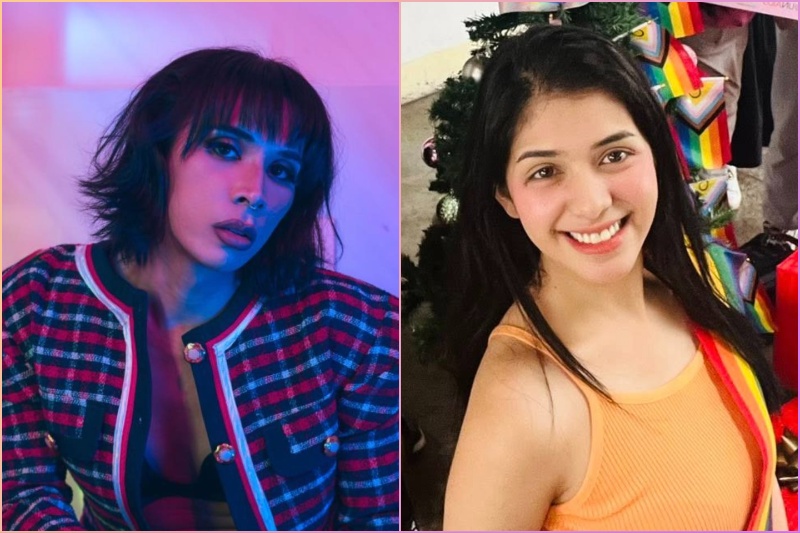



A trans filmmaker weighed in on the ongoing debate around “bakla-baklaan” in online content, saying its growing presence in digital platforms reflects a long history of queer representation shaped by performance, survival and recently, profit.
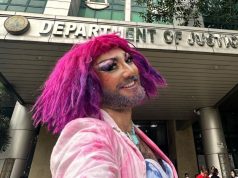
In a lengthy Facebook post, Rodina Singh said portrayals of queer identities in the Philippines have long been rooted in performance, dating back to early cinema where gay characters were often used as comedic devices. She cited that it was also her thesis topic 12 years ago.
“Para gumana ang joke, kailangan may baseline ka ng ‘lalaki’—straight, macho, recognizable—tapos babaliktarin mo. Biglang magiging effeminate. Doon nanggagaling ang tawa,” she said.
According to Singh, this framing reduced queerness into a punchline rather than a lived identity, although later films introduced more nuanced portrayals that humanized queer characters.
She said the issue has evolved in the digital age, where “bakla-baklaan” thrives on social media platforms driven by algorithms and audience engagement.
“Hindi na siya tungkol sa narrative experimentation… Malinaw na: pera na siya,” she said, referring to content creators who adopt queer mannerisms for views and profit.
While acknowledging that queer expression is not owned by any one group, Singh stressed that there are limits—especially when such portrayals are monetized while reinforcing harmful attitudes.
“Hindi puwedeng kumikita kayo sa bakla humor tapos kayo rin ang tumatawa sa homophobia… Hindi puwedeng sabay kayong kumakain at naninira,” she said.
She also addressed criticism of the community’s sharp humor or “okrayan,” explaining that it emerged as a form of defense shaped by lived experiences of discrimination.
“May panahon na wala kaming boses… Dahil hindi kami pinayagang sumuntok, gumawa kami ng ibang paraan para bumawi. Wit. Humor. Okray,” she said.
Singh argued that what some see as offensive behavior is rooted in marginalization, noting how queer individuals were once the primary targets of ridicule.
“Dati, kami ang pinagtatawanan niyo. Ngayon, kami na ang nagpapatawa—at binabayaran niyo pa kami,” she said.
She added that the current landscape raises questions about who benefits from the widespread use of queer-coded humor online.
“Kung ang tawa ay galing sa amin, at ang pera ay napupunta sa inyo, hindi na ’yan simpleng comedy. Extraction na ’yan,” she said.
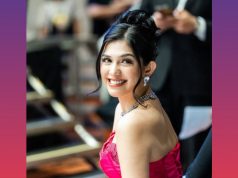
Her remarks were echoed by Miss Earth 2025 runner-up Joy Barcoma, who called on social media users to go beyond mimicking queer personas and instead show genuine support for the LGBTQ+ community.
In a post on Wednesday, March 25, Barcoma said that while portraying the “bakla” persona has become common, it becomes problematic when it is used for profit without acknowledging the community’s struggles.
“Wala namang problema magbakla-baklaan dahil wala namang nakakahiya sa pagiging bakla. If anything being gay is being interesting kaya nga yun ang ginagawa niyong persona,” Barcoma said.
She urged followers to “makibaka kayo para sa kanila. Magsalita kayo para sa kanila. Higit sa lahat, mahalin niyo rin sila.”
Barcoma shared Singh’s commentary, highlighting how the performance of “bakla” has long functioned as a survival strategy and cultural expression, while also serving as a way for the community to claim space amid persistent societal biases.
—With John Marwin Elao, Rosette Adel