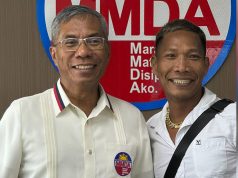


Metropolitan Manila Development Authority (MMDA) General Manager Nicolas Torre III’s advocacy to promote cycling in Metro Manila was welcomed online.
In December 2025, an X (formerly Twitter) user reacted to reports that the former top cop had been given a role in the MMDA.
“Gen. Torre, I know you’re a cop. But please also be a mass transit, public transport, active transport, pro-pedestrian, non-car centric advocate working in government,” the X user previously said.
“Gulatin mo kami! Merry Christmas!” he added.
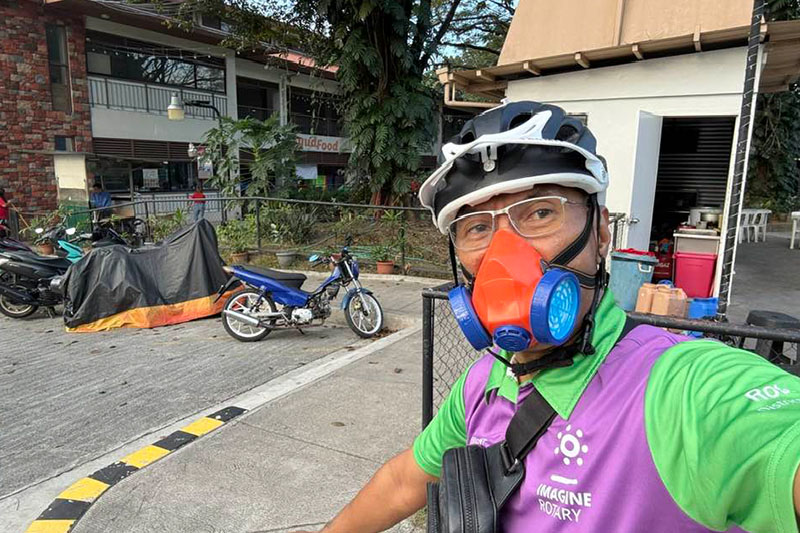
On Sunday, February 8, the X user looked back on his reaction after Torre shared a photo of himself cycling to work as the new MMDA general manager.
The X user shared screengrabs of Torre’s Facebook post, in which he recalled being taunted for cycling to work while he was still a cop reporting to the Philippine National Police’s Camp Crame in Taguig.
On Sunday, Torre recalled asking a colleague in 2009 why they had to ride a tricycle for a distance of around “200 to meters,” which he said would only “three minutes.” It had cost them P8.
“Tinanong ko ang isang personnel: ‘Bakit hindi ka na lang maglakad?'” Torre recounted.
At that time, he was a camp commander at the PNP’s Camp Karingal.
Torre was given the answer, “Sir, nakakahiya… baka isipin nila wala akong pera.”
The following year, Torre said he rode a bike from Quezon City to Camp Bagong Diwa, which was about 27 to 29 kilometers away.
“At syempre, may asar din: ‘Wala ka na bang pambili ng gas? Lt. Col. ka na, dugyot ka pa rin.’ Doon ko na-realize: Hindi lang ito about traffic. It’s about dignity. May stigma ang paglalakad at pagbibisekleta!” he wrote.
Torre then said he wanted to remove the stigma surrounding walking and biking, starting with the MMDA.
“Walang nakakahiya sa paglalakad. Walang nakakahiya sa pagbibisikleta. Walking and biking are not signs of poverty — they’re signs of discipline and progress. (At kung wala talaga tayong pera, ano ang nakakahiya doon? Kaya nga tayo nagsisikap na makatipid, ‘di ba?)” he said.
“At tandaan: millions and millions na ang ginagastos ng LGUs (QC, San Juan, Taguig, etc.) para gawing bikeable at walkable ang Metro Manila. Kaya ‘pag naglakad at nag-bike tayo, ginagamit at tinatangkilik lang natin ang ginastusan at pinuhunanan ng ating mga namumuno!” Torre added.
He concluded his post by saying that it is now time to remove the stigma surrounding walking and biking.
“Panahon na. Respect every ride. Alisin ang stigma! Walang nakakahiya sa paglalakad at pagbibisekleta!” Torre said.
He also included the following hashtags in his post: “#RespectEveryRide,” “#BikeToWorkPH,” and “#WalkWithPride.”
Torre’s post has earned 31,000 likes and reactions, 2,000 shares and 2,200 comments from Filipinos, many of whom welcomed his message and commended him for promoting walking and cycling as practical and respectable modes of transport.
“Same judgment sa akin sa bike-to-work, lalo noong pre- pandemic. Kesyo para daw akong nagta-trabaho sa construction kasi naka-bike ako pumapasok sa opis. ‘Di nila alam nakakapag-exercise na ako, nakakarating [or] nakakauwi ako ng maaga sa pamilya ko,” an online user said.
“Agree 100% General, [it’s] a good read about sa sinabi, sana mabasa din nila ito. Ride safe and thank you for your service and setting a good example sa mga iba about walking and cycling,” another Pinoy wrote.
“Practical wisdom. That’s good thing to do: walk and/or bike. Save money and improve your health! Ok iyon,” a different Facebook user commented.
Last month, Torre was commended for leading by example after he was spotted biking to the MMDA headquarters to personally inspect bike lanes across Metro Manila.
ALSO READ: Nicolas Torre praised for biking through metro to inspect bike lanes
Bike lanes were initially built on major roads in response to the need for alternative transportation during the COVID-19 pandemic.
Since then, they have been expanded to encourage the public to use bicycles instead of cars, helping ease traffic by reducing the number of vehicles on the road.