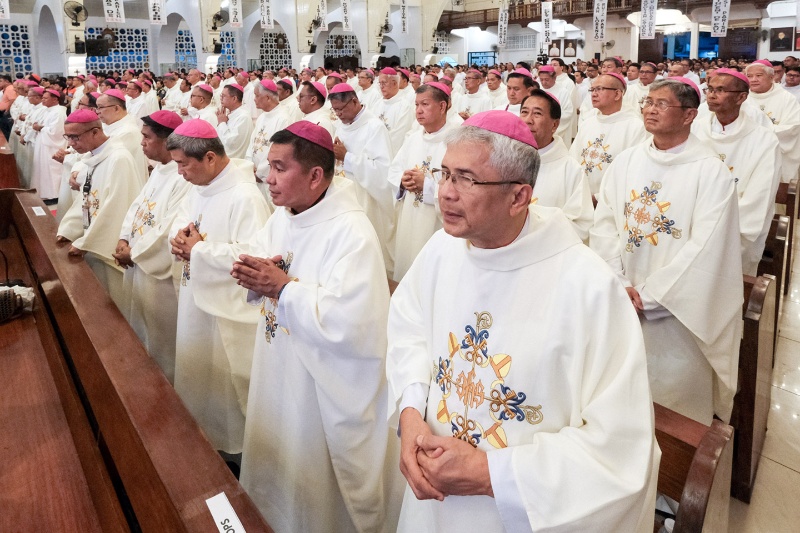



Catholic bishops in the Philippines asked forgiveness from families who felt unwelcome after losing loved ones to suicide, urging parishes to replace judgment with compassion and accompany grieving families with hope.
The appeal came in a pastoral letter approved during the Catholic Bishops’ Conference of the Philippines’ 132nd plenary assembly in the Archdiocese of Ozamis from July 8 to 10, where bishops addressed the country’s growing mental health challenges.
The letter acknowledged that some bereaved families may have experienced misunderstanding or exclusion within the Church while mourning relatives who died by suicide.
“If you have experienced misunderstanding or felt unwelcome within the Church during your time of grief, we ask your forgiveness,” the bishops said.
They urged priests and pastoral workers to accompany grieving families with compassion, celebrate funeral rites according to Church discipline, and proclaim hope rooted in Christ.
“As we say this, we reiterate the sacredness of human life,” they said.
Quoting the Catechism of the Catholic Church, the bishops said people should not despair of the eternal salvation of those who died by suicide because grave psychological suffering can lessen personal responsibility.
The bishops also stressed that mental illness is neither a sign of weak faith nor a punishment from God, but a condition deserving understanding, proper care and compassionate accompaniment.
They said many Filipinos quietly struggle with anxiety, depression, addiction, loneliness, grief and other mental health challenges, often worsened by poverty, debt, unemployment, migration and family conflict.
The bishops also warned that digital technology and artificial intelligence, despite their many benefits, can contribute to anxiety, loneliness, cyberbullying, unhealthy comparison and addiction “when left unchecked.”
Calling on parishes, Catholic schools, Basic Ecclesial Communities and families to become places of welcome, they said everyone should feel safe seeking help without fear of shame or rejection.
“As a Church, we commit to building communities of encounter, breaking the stigma, strengthening collaboration, and walking together in hope so that every person is welcomed, accompanied, and freed from stigma,” the bishops said.
They also encouraged those experiencing mental health difficulties to seek professional care whenever necessary, saying medical or psychological treatment reflects wisdom rather than a lack of faith.
“God’s healing often comes through the dedicated service of doctors, psychologists, counselors, and other caregivers, whose work we gratefully acknowledge,” the letter said.
The pastoral letter also encouraged parishes to establish counseling groups, regularly celebrate the Sacrament of Reconciliation, and include prayers for mental health, healing and hope in communal worship.
In his opening address to the assembly on July 8, CBCP president Archbishop Gilbert Garcera said the country’s worsening mental health crisis and increasing number of suicides demand renewed pastoral attention.
Drawing inspiration from Magnifica Humanitas, Pope Leo XIV’s first encyclical released in May, Garcera said the Church is called to become “communities of accompaniment, healing, and hope.”