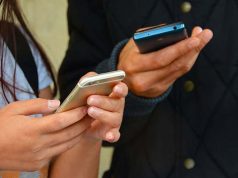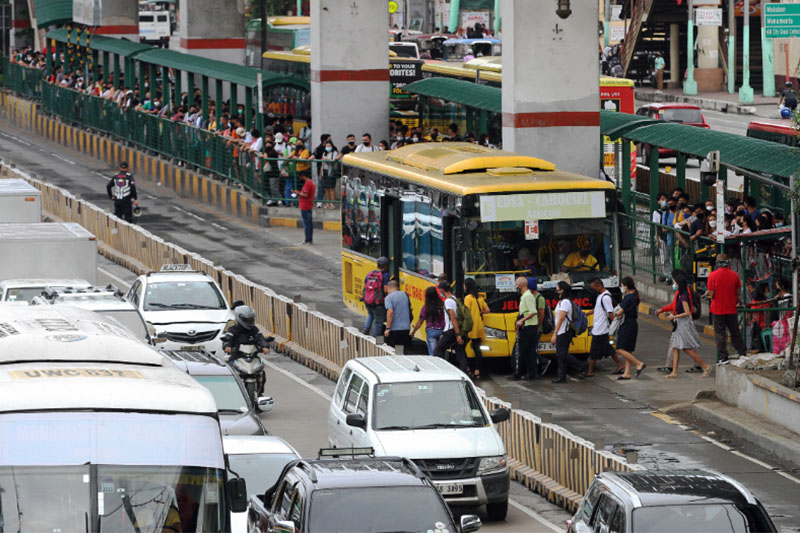



A commuter has raised concerns over the implementation of cashless payments on the EDSA Bus Carousel, saying e-wallet payments were not accepted despite posted signage.
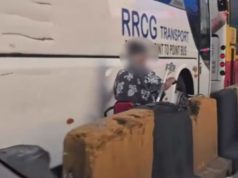
Facebook user Aleck Bautista shared his experience of riding the bus carousel four times in one day and being told on each occasion that payment through GCash was not accepted.
His account was reposted by automotive publication VISOR on Saturday, January 31.
“DOTr launched their cashless payment system using GCash, and grabe ‘yung advertising — every bus and carousel station has posters and signage saying that GCash is accepted,” Bautista said.
“However, yesterday I rode the bus carousel four times and all the conductors told me the same thing: ‘Hindi po kami tumatanggap ng GCash,'” he added.
“Maganda sana ‘yung cashless payment program ng Department of Transportation, pero the problem is, hindi naman ini-implement ng mga bus operators and conductors,” the commuter further said.
Commuter reactions
Despite his criticism, Bautista acknowledged the efficiency and affordability of the bus carousel.
“Pero kudos sa Bus Carousel dahil ang bilis and ang mura pumunta ng BGC [Bonifacio Global City]. Kesa magdala ako ng sasakyan na sobrang traffic. Buti pa sa BGC Bus, tumatanggap sila ng Beep card at GCash,” Bautista continued.
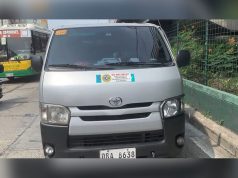
He also shared a photo of the bus that had the GCash signage, saying that it was taken “around 11 p.m,” when commuters were already “few” from Ayala going to Monumento.
“And still, hindi pa rin sila nag-a-accept ng GCash,” Bautista wrote with emojis of a laughing face and a face palm expression.
His post drew comments from other commuters who shared similar experiences.
“A big lie advertisement… ilang beses na akong commuter ng carousel but almost all of them don’t accept GCash payments. I have experience to some, pero super rare. Para silang pokemon,” a Facebook user said.
“Mabagal ding magbayad ‘pag GCash, lalo na ‘pag ‘di pa nakabukas ang app agad,” another user said, referring to how one relies on cellular data or public wi-fi to open the e-wallet.
“Unfortunate, pero mahirap din kasi ata i-track ‘yan. As for BGC bus, hirap kapag nasaktuhan mo na offline ‘yung bus mismo, GCash QR lang meron,” wrote a different commuter.
“Pag GCash kasi, maantala ‘yung pila, BABAGAL since mag-aantay ka pa mag-click click at depende sa signal,” commented another user.
Some commuters pushed for wider use of beep cards as an alternative. The beep card is mainly used by commuters of the MRT-3, LRT-1, and LRT-2 to pay for their fares without using cash.
“VISOR, please be our voice to Department of Transportation – Philippines for bringing back the beep card payment to Bus carousel kesa ‘yang GCash!!! Utang na loob!” a Facebook user exclaimed.
“Better if beep card na lang din. Real hassle-free ‘yung sa BGC ‘pag may beep card ka,” said another user.
Official position
In December, it was reported that bus carousel commuters can now pay for their fares through GCash, with a QR Code available from the conductor.
“This is going to be convenient to the commuters, and it’s very fast. We pay the exact fare and (the fare will go directly to the bus operator),” Banko Sentral ng Pilipinas Deputy Governor Mamerto Tangonan said before.
The Department of Transportation said that there are 206 busway units operating with GCash SoundPay devices.
Paying through e-wallets were especially popularized during the COVID-19 pandemic, when cashless transactions were implemented as preventive measures against transmitting the virus
It has since been used as an alternative mode of payment in establishments and businesses.