

Catholic leaders urged the government to reject any extension of the Semirara coal contract, calling the government review ahead of its 2027 expiration a moral test for national energy policy.
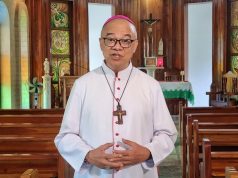
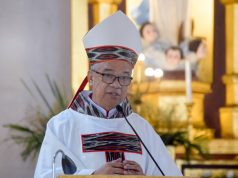
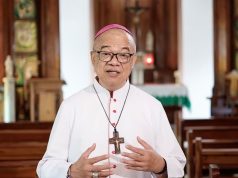
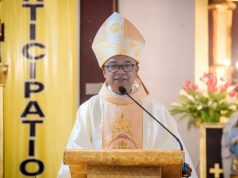
Caritas Philippines president Bishop Gerardo Alminaza of San Carlos said the decision goes beyond economics and exposes whose lives matter in communities affected by decades of coal mining on the island.
“This decision is not merely technical or neutral. It will reveal whose lives matter, whose voices count, and what kind of future we are willing to accept,” Alminaza said in a pastoral statement.
Semirara Island hosts the country’s largest open-pit coal mine and rich marine life once sustained by fishing, seaweed farming and mangroves, church leaders said.
Coal operations, they said, damaged coastal ecosystems, weakened traditional livelihoods and left many families poor despite decades of extraction and billions of pesos in profits.
Alminaza cited seaweed farmers who watched coal dust settle on their crops, wiping out months of work and erasing the main income of families.
“Poverty did not arrive by chance: It was produced by policy choices treating community livelihoods as expendable,” he said.
He challenged claims that coal ensures energy security, noting the Philippines still relies on imported coal while consumers face high and volatile power prices.
“Energy security that depends on imported coal is neither secure nor just,” Alminaza said, adding that market volatility, not coal taxes, continues to shape household power bills.
The bishop said workers should not be blamed for relying on mining jobs, but criticized a system that forces communities to choose between survival and environmental destruction.
“We do not condemn workers who depend on mining. We condemn a system that forces people to choose between survival and destruction,” he said.
“Ending coal is not extreme. Continuing it is reckless,” Alminaza added, urging the government to deny any extension, reissuance or rebranding of the Semirara contract.
He called for a just transition that restores livelihoods, compensates losses and invests in renewable energy led by communities, with clear timelines and public accountability.
The coal contract expires in 2027, and church leaders warned that delaying action would deepen harm to poor communities, fragile ecosystems and future generations.