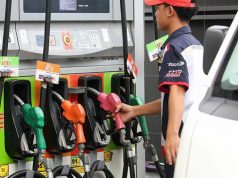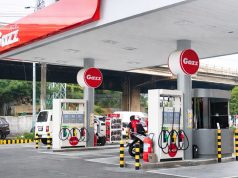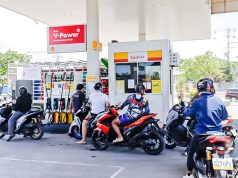


Filipinos can now check and compare petroleum prices in their area amid concerns about rising fuel costs.
Alexander Miguel Sy, a tech lead for an Australian company and a full-stack developer, created the MetroFuel Tracker website after getting “frustrated playing the guessing game of which station is actually the cheapest before filling up.”
“I’ve been feeling the weight of the weekly pump price adjustments and the impending huge price hikes,” he said in an interview with PhilSTAR L!fe.
The website shows the locations of gas stations near the user. Clicking on each station reveals the prices of petroleum products such as gasoline, diesel and kerosene.
Gas stations are also color-coded based on prices: green means “below average,” yellow “near average,” red “above average” and gray “no data.”
Data relies on the latest information from the Department of Energy, but motorists are also encouraged to update the tracker with prices they encounter when they go to gas stations.
The tracker currently shows information on gas stations in Metro Manila and the Greater Manila Area (Cavite, Laguna, Rizal, and Bulacan).
“If you’re commuting to the metro or just driving around your hometown, you can now instantly check the cheapest gas prices near you. As always — it is 100% free, no sign-ups, and absolutely no app downloads needed. Just click and drive!” Sy said on Facebook on Wednesday, March 11.
“A huge thank you to the thousands of you constantly updating the pump prices. You guys are the real MVPs [Most Valuable Player] helping fellow Filipino drivers save money every single day,” he added.
Fuel crisis
In the local market, the prices of diesel, gasoline, and kerosene have spiked by as much as P24, P38 and P13 per liter, respectively, this week, a far cry from the usual increases of a few cents to about P1 to P2 per liter.
Fuel prices have surged amid the conflict in the Middle East, with oil costs rising as shipping routes are disrupted by attacks and closures.
The Strait of Hormuz, considered the world’s busiest oil shipping channel, has been blocked by Iran, which lies closest to the strategic waterway.
About 20% of the world’s oil usually passes through the strait, which is used by major oil and gas producers of the Middle East and their customers.
Estimates in 2025 reveal that about 20 million barrels of oil pass through the waterway each day.
Analysts have warned that the longer there threats persist against ships passing through the strait, the higher oil prices and the costs, are likely to climb.
Meanwhile, the United States and Israel are engaging in military attacks against Iran. The US said it aims to prevent Iran from obtaining a nuclear weapon, while Israel says Iran’s “terrorist regime” poses an “existential threat.”