

Filipino learners struggling with reading and math may soon benefit from new educational materials designed to strengthen foundational skills both in classrooms and at home.
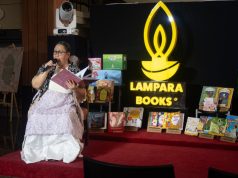
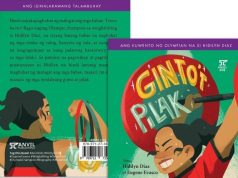
Publishing house Lampara Books on March 3, rolled out its first-quarter collection of learning resources aimed at improving reading comprehension, early literacy and numeracy among young students.
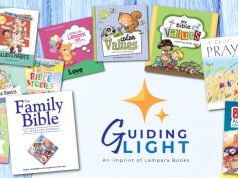
The materials include decodable and leveled readers for beginning learners, story-based math content and supplementary worksheets and guides intended for teachers and parents.
According to Segundo Matias Jr., chief executive officer of Lampara Books, the initiative seeks to make quality learning tools more widely accessible across the country.
“We are committed to making sure these books reach every island across the Philippines,” Matias said.
“High-quality reading materials should not be limited by geography. Our mission is to deliver resources that directly address reading challenges wherever they exist,” he added.
The publisher worked with literacy specialists and authors in developing the materials, including Victor Villanueva, Daisy Jane Calado, Eugene Evasco and Genaro Gojo Cruz.
Many of the reading titles are built around the Marungko Approach and Systematic Phonics, teaching methods designed to help children develop reading skills through structured phonics instruction.
“Reading instruction must be grounded in science,” Matias said.
“When children master foundational skills, they gain not only competence, but confidence,” he continued.
Beyond reading, Lampara Books is also emphasizing the importance of numeracy, particularly during the early stages of learning.
“Numeracy is essential to modern life,” Matias said. “Everyday tasks such as buying goods at a store or counting change demonstrate how important math skills are. Children should realize that mathematics has real-world value.”
The publisher introduced curriculum-aligned numeracy materials that combine storytelling and interactive learning activities to help make mathematics more engaging and relatable for young students.
Lampara Books said its books also incorporate Filipino contexts and bilingual instruction to help children connect lessons with their everyday experiences.
“English is everywhere,” Matias said. “While we guide our children toward global opportunities, we must ensure their Filipino identity and values remain intact.”
Through stories rooted in Filipino culture and experiences, the publisher hopes young readers will see themselves reflected in what they read while strengthening both language and comprehension skills.
The initiative comes amid concerns about literacy levels in the country. A recent study published in the Journal of Interdisciplinary Perspectives found that many Filipino learners progress to higher primary levels despite struggling with basic reading and mathematics.
Matias described the issue as urgent.
“The crisis is deeply concerning—tragic, even,” he said. “It feels like a battle we must urgently confront. The future of our nation is at stake.”
“Our mission is simple,” he added. “No child should be left behind simply because of limited access to quality learning materials,” the Lampara Books concluded.
—With Rosette Adel