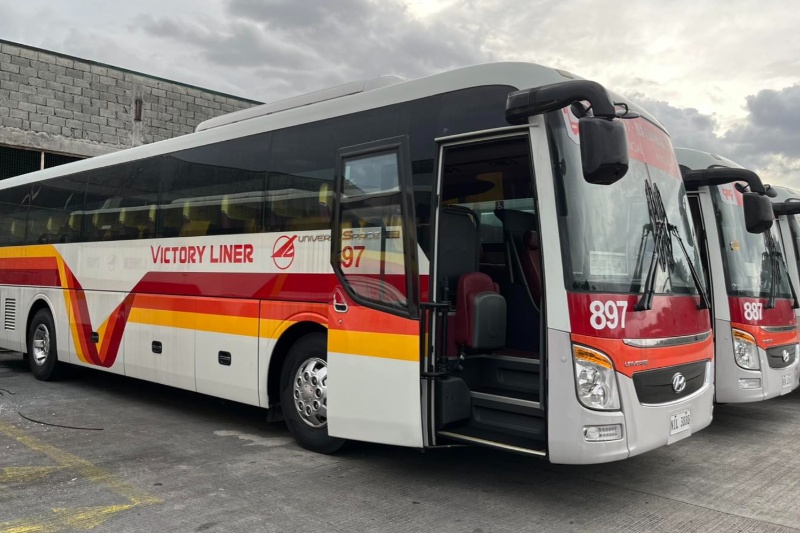



A bus company is implementing fuel-saving measures on its trips amid the ongoing conflict in the Middle East.
Victory Liner announced on Wednesday, March 4, that engines and air-conditioning units will be turned on only five minutes before trips begin. On long-haul routes, engines and aircon will be turned off during stopovers.
The move comes as diesel prices rise, with the company noting a sudden increase of P15 per liter, and is aimed at helping the firm remain operational amid higher fuel costs.
“Lubos po kaming humihingi ng inyong pang-unawa at kaunting pasensya sa panahong ito. Malaki ang aming pasasalamat sa inyong patuloy na pagtitiwala at suporta. Maraming salamat po at magandang biyahe sa inyong lahat,” the company said in a statement.
It also announced the temporary suspension of its “free ride” or “bus pass privilege.”
The company said these measures are meant to help maintain safe, reliable and orderly travel fo passengers amid the rising fuel costs.
Fuel prices amid the conflict
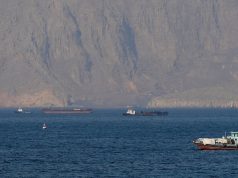
The Strait of Hormuz is a crucial waterway at the south of Iran, through which about 20% of the world’s oil and gas is shipped.
Iran has warned vessels not to pass through it, raising the possibility of higher fuel costs as tensions continue.
Meanwhile, President Ferdinand Marcos Jr. is eyeing “special powers” from Congress to lower the excise tax on fuel as an “emergency measure” should Dubai crude exceed $80 per barrel.
READ: Philippines has sufficient oil supply, says Marcos
In a press conference on Tuesday, March 3, he said that the price of the Dubai crude oil, used as a benchmark for Asia, briefly hit $82 but closed at $76.50 per barrel.
Marcos added that the government would roll out targeted fuel subsidies to affected sectors, such as transportation and agriculture, if the price of Dubai crude oil breaches $80-$90 per barrel and remains within that range for two months.
The United States and Israel are exchanging military strikes with Iran, with Israel saying the goal is to get rid of the Shia theocracy that has ruled Iran for almost half a century.
US President Donald Trump said the strikes were intended to eliminate “imminent threats” from Iran and prevent it from securing a nuclear weapon.
ALSO READ: Free call support extended to OFWs amid Middle East unrest