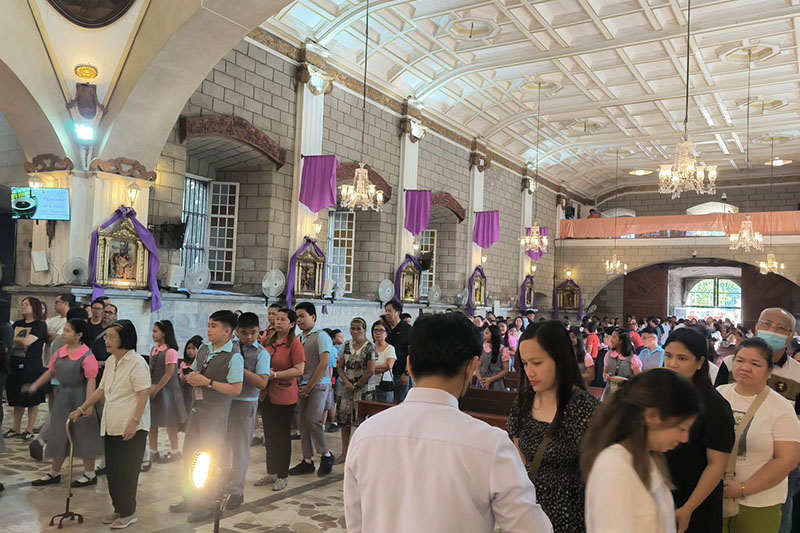



A parish in Santa Rita, Pampanga, issued an apology to parishioners who had unpleasant experiences after attending a mass on Ash Wednesday, February 18.
On Thursday, February 19, the Santa Rita de Cascia Parish acknowledged complaints of “burning sensations or skin irritation” after ashes were applied to the foreheads of churchgoers during the Wednesday Mass.
Ash Wednesday, which marks the start of the Lenten Season, is when Christians receive ashes in the shape of a cross on their foreheads as a reminder of human mortality and of repentance during Lent.
The ashes come from the “palaspas” of the previous year’s Easter Sunday, which are burned, sifted and then stored for use.
By Ash Wednesday, the ashes are blessed and sometimes lightly mixed with a small amount of Holy Water before being placed on the foreheads of the faithful.
The day after the occasion, the Santa Rita de Cascia Parish issued an apology following complaints from parishioners who experienced unusual reactions after the ashes were applied on their foreheads.
“To the best of our knowledge, only ashes and holy water were used. However, we take this matter seriously and are reviewing our preparation procedures to ensure everyone’s safety,” it said in a statement.
“If you are experiencing continued irritation, please gently wash the affected area and seek medical advice if needed,” the parish added.
“We deeply regret any distress or inconvenience this may have caused. Thank you for your understanding, patience, and continued trust as we address this matter with care and responsibility. May this Lenten season continue to be a time of grace, healing, and renewal for us all,” it concluded.
A similar incident occurred in 2018 in Caloocan City, where parishioners developed blisters on their foreheads after ashes were applied.
The ashes, which had been mixed with holy water, were sent to a laboratory and later found to have high acidity levels.
The issue arose when “overcooked charcoal turned into caustic ashes that produce high acidity when mixed with water.”
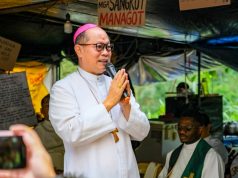
Caloocan Bishop Pablo Virgilio David previously explained that palm fronds were traditionally burned in earthen pots. However, because there was a large pile of fronds to burn at the time, the gradual addition led to “overburning,” producing grayish ashes instead of the usual dark charcoal.
“What matters to us now is that we are able to apply the proper medication — silver sulfadiazine — on people who have been affected,” David previously said.